
Let's be honest, feeding a family night after night can feel like running a tiny restaurant where all the customers are critics with very loud opinions. You want healthy, balanced meals on the table, but you're also juggling work, homework help, soccer practice, and the mysterious laundry pile that somehow regenerates overnight. The struggle is real, mama.
Here's the thing: meal planning doesn't have to be this Pinterest-perfect, color-coded affair that requires a culinary degree. It's actually one of the smartest tools in your busy-mom arsenal. But before you dive headfirst into creating the perfect weekly menu, there are a few essentials you should know. These 10 tips will help you build a meal planning system that actually works for your family (not someone else's Instagram-worthy version).
1. Start With Your Family's Greatest Hits
Before you plan a single meal, sit down and create a master list of dishes your family actually eats without complaint. Seriously. I'm not talking about what they should eat or what looks amazing in that food magazine, I mean the meals that get devoured without drama.
Organize this list by category: breakfasts, lunches, dinners, and even snacks. This becomes your foundation. When you're staring at a blank meal planner on Sunday afternoon, you're not reinventing the wheel every single week. You're simply rotating through options you know work. Game-changer? Absolutely.
2. Pick Your Power Hour (And Stick to It)
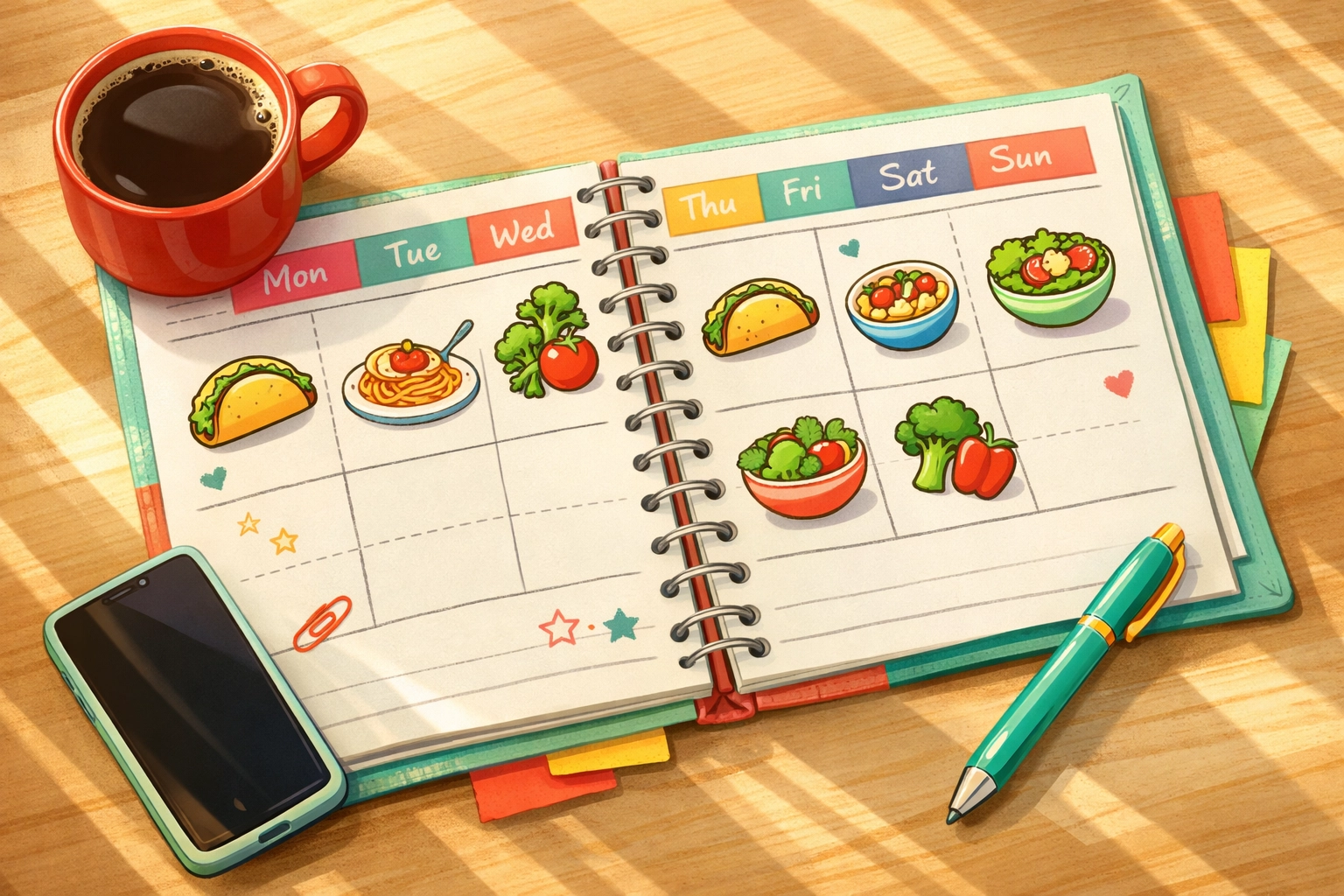
Consistency is where the magic happens. Choose one specific time each week to plan your meals, maybe it's Sunday morning with your coffee, or Saturday afternoon while the kids are occupied. Whatever works for your schedule, make it non-negotiable.
When meal planning becomes a habit rather than something you scramble to do at 5:00 PM on a Tuesday (we've all been there), it transforms from overwhelming to oddly satisfying. Plus, having that dedicated time means you're not carrying the mental load of "what's for dinner?" around in your head all week long.
3. Take Inventory Like You Mean It
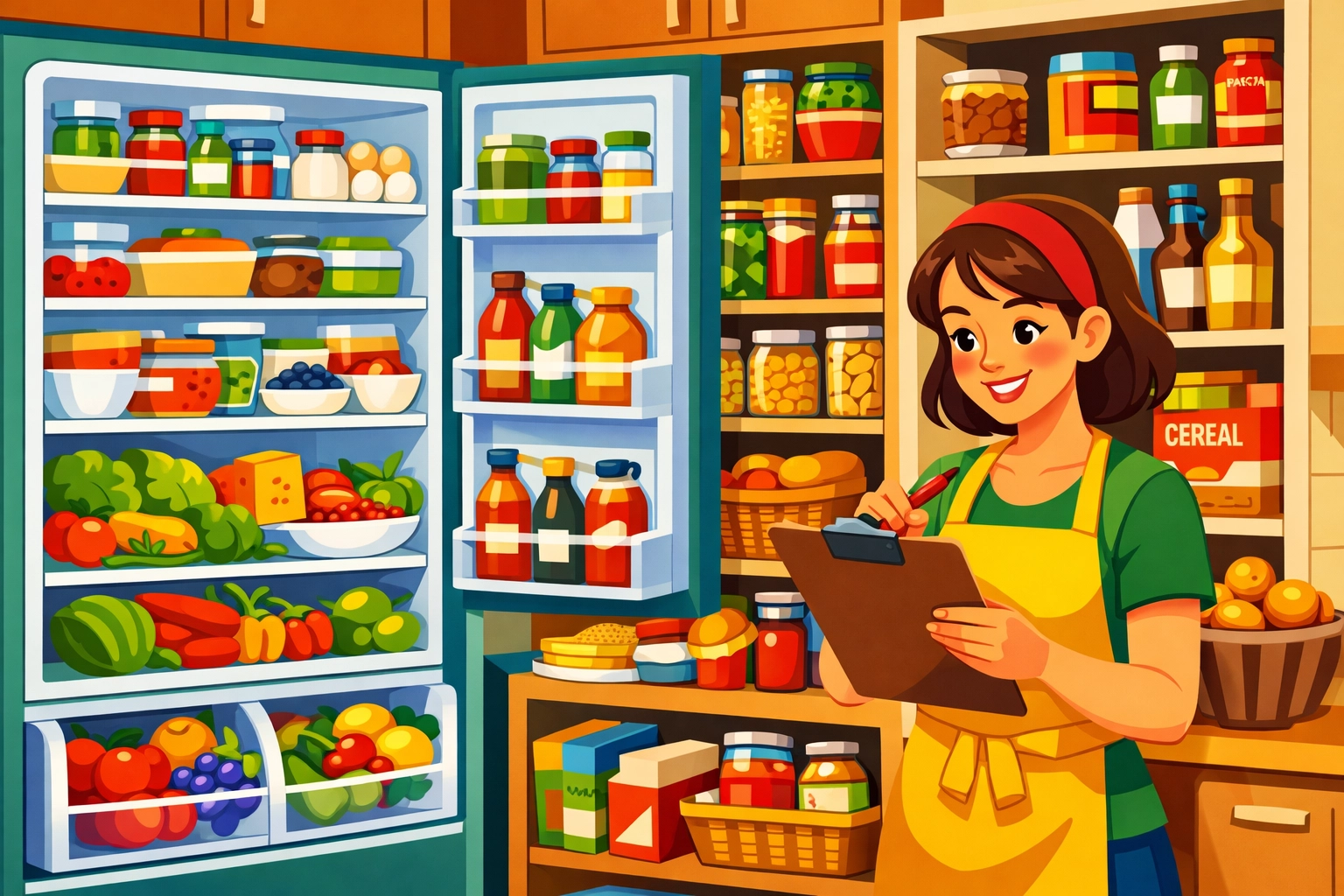
Here's where you save money and reduce waste: before you plan anything, open your fridge, peek in your freezer, and scan your pantry. What ingredients are already hanging out in there? What needs to be used before it goes bad?
Build your meal plan around what you already have. That half-bag of quinoa, those three chicken breasts in the freezer, the random can of black beans, these are your starting points. Not only does this prevent overbuying at the grocery store, but it also keeps you from discovering mystery Tupperware containers in the back of your fridge two months later. (You know the ones I'm talking about.)
4. Match Your Meals to Your Madness
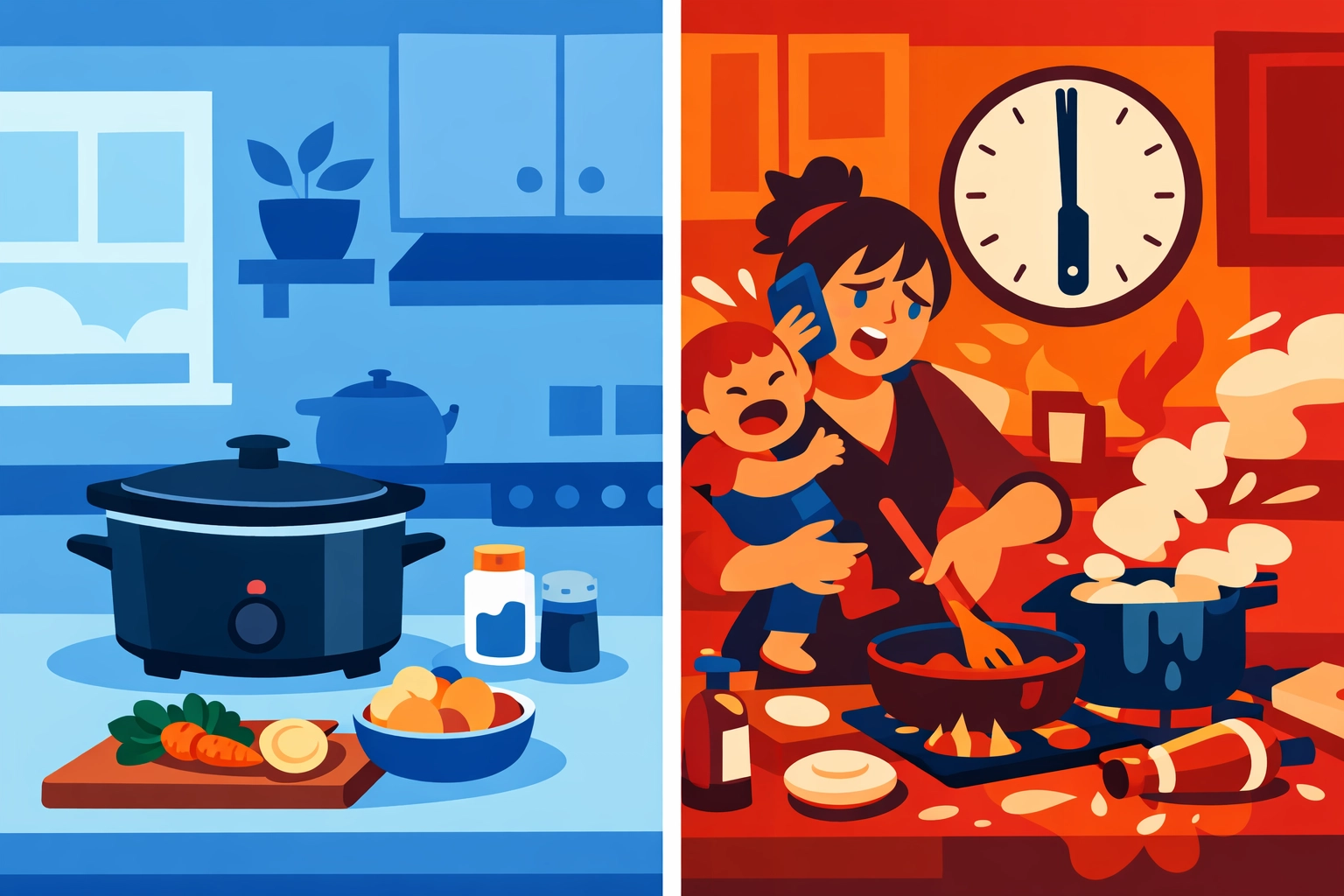
Look at your family's calendar for the week ahead. Which nights are absolute chaos with back-to-back activities? Which evenings offer a bit more breathing room?
On your busiest nights, plan quick meals, leftovers, or slow cooker dinners that practically make themselves. Save the more involved recipes for nights when you're not racing against the clock. This isn't about being lazy, it's about being realistic. And realistic meal planning is sustainable meal planning.
5. Embrace the Cook-Once-Eat-Twice Philosophy
Leftovers are not the enemy. They're your secret weapon against weeknight dinner panic. When you have time to cook (say, Sunday or Wednesday evening), intentionally make extra portions.
That roasted chicken? It's also tomorrow's chicken tacos or Thursday's chicken and rice soup. Those extra veggies? They're going into tomorrow's frittata or becoming a quick stir-fry later in the week. This strategy cuts your actual cooking time in half while still providing homemade meals. Win-win.
6. Add Variety (Without Losing Your Mind)
Nobody wants to eat the same five meals on repeat until the end of time. Mix up your proteins: chicken one night, fish another, beans for a meatless option. Rotate your grains and vegetables throughout the week. Your family gets nutritional variety, and you don't get stuck in a culinary rut.
Theme nights can be ridiculously helpful here. Taco Tuesday, Meatless Monday, Slow Cooker Wednesday: these simple themes add structure without being restrictive. Plus, kids often love the predictability (and it makes their homework when asked "what did you eat for dinner?" way easier).
7. Make It a Family Affair
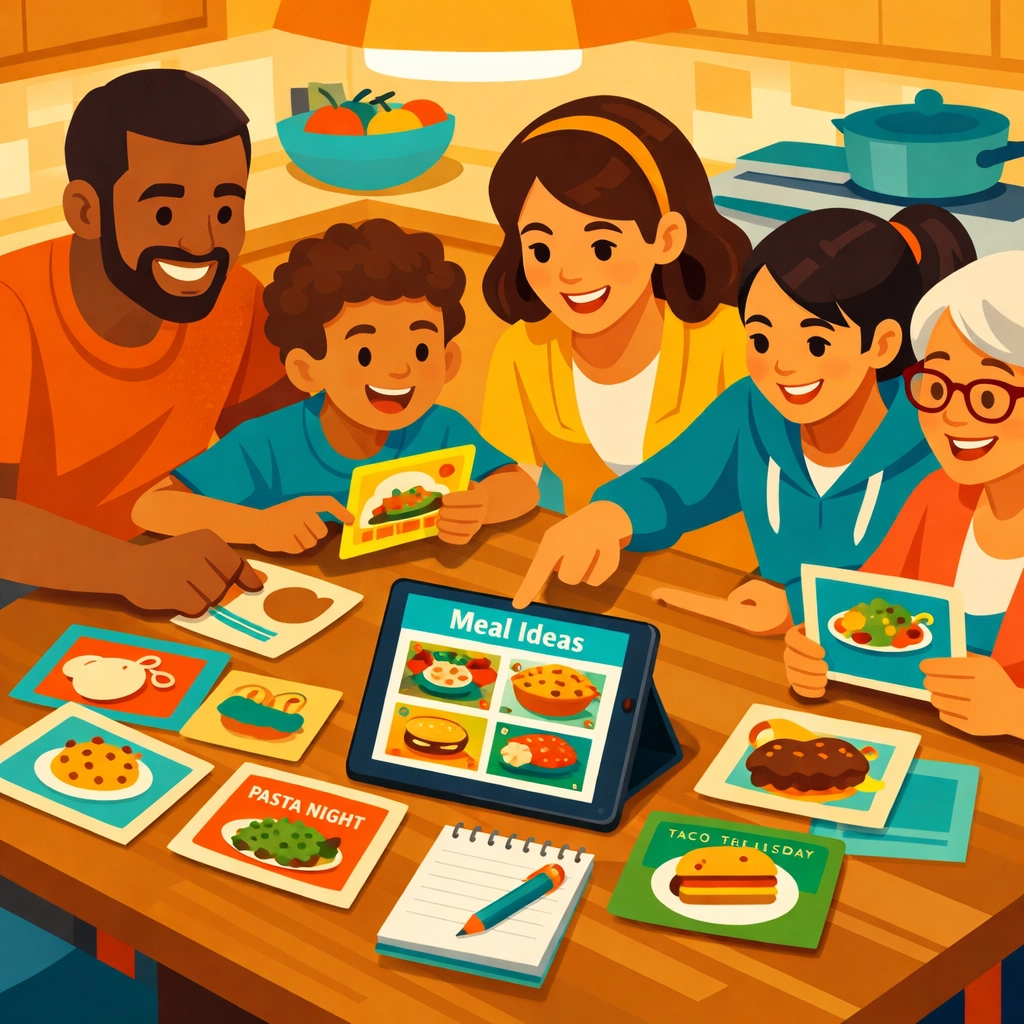
Get everyone involved in the meal planning process. Ask your kids what they'd like to eat this week (within reason: three nights of pizza doesn't count as a balanced plan). Let them help choose vegetables at the grocery store or pick which fruit to try.
This does two amazing things: First, it increases the likelihood that they'll actually eat what's served because they had input. Second, it teaches them valuable life skills about nutrition, planning, and budgeting. And honestly? Sometimes they come up with surprisingly good ideas. My seven-year-old suggested breakfast-for-dinner, and it's become a monthly tradition.
8. Think Beyond Dinner (Nutrition All Day Long)
While dinner often gets the spotlight in meal planning, don't forget about breakfast, lunch, and snacks. A well-balanced day includes proteins, complex carbohydrates, healthy fats, and plenty of fruits and vegetables spread across all meals.
Plan for nutritious snacks to keep between-meal grazing from turning into a free-for-all with the snack cupboard. Pre-cut veggies, fruit with nut butter, yogurt, cheese and whole-grain crackers: these keep everyone satisfied and prevent that pre-dinner "I'm starving!" meltdown. (Speaking of which, cutting sugar in family meals can also make a huge difference in energy levels and mood. Just saying.)
9. Shop Smart With an Organized List
Once your meal plan is set, create a detailed shopping list organized by store sections. Group all your produce together, all your dairy, all your proteins, and so on.
This organized approach makes grocery shopping faster (because who has time to wander aimlessly?) and reduces impulse purchases. Stick to your list, and you'll also stick to your budget. It's basically foolproof: unless you're shopping hungry. Never shop hungry, mama. That's when the fancy cheese and artisan crackers mysteriously appear in your cart.
10. Start Small and Build Your Confidence
Here's your permission slip: you don't have to plan every single meal perfectly right out of the gate. Start with planning just dinners for your busiest nights. Or begin with theme nights only. Or focus on one week at a time instead of trying to plan for the whole month.
Building this habit gradually makes it sustainable long-term. You're not going for perfection: you're going for "better than winging it every night at 6:00 PM." And honestly? That's a very achievable goal.
The Bottom Line
Meal planning for your family doesn't require superhuman skills or hours of free time you don't have. It requires a bit of upfront thinking, some realistic expectations, and a willingness to work with what actually fits your life: not someone else's.
Start with these 10 essentials, and you'll build a meal planning system that saves time, reduces stress, cuts down on food waste, and (bonus!) gets healthier meals on the table. Your future self: the one who's not panic-texting your partner "what should we do for dinner?" at 5:47 PM: will thank you.
Here's to less dinner drama and more time actually enjoying meals with your family. You've got this, and you're already doing better than you think.